On the morning of New Year’s Day, I woke up a little later than usual.
Soft winter sunlight shimmered through the window, gently filling the room with a sense of calm and renewal.
In Japan, the New Year is inseparable from osechi-ryori, traditional celebratory dishes prepared with symbolic meanings. Shrimp represents longevity, kombu seaweed joy, Datemaki (sweet rolled omelet) wisdom, kamaboko(steamed fish cake) in red and white symbolize good fortune, protection, and purity, and kurikinton(chestnut-and-sweet-potato mash) prosperity and good fortune.Taking time to enjoy these dishes slowly, while reflecting on the wishes embodied in each one, is a deeply fulfilling experience—one that feels quietly luxurious.
Later in the day, I visited my local Shinto shrine for Hatsumode, the first shrine visit of the year.
Lanterns lined the entrance to the shrine grounds, creating an atmosphere that was festive yet dignified, bright yet serene. After returning old protective charms, I offered my prayers at the main hall.
That evening, I opened a bottle of sake to celebrate the new year.
The sake I selected was a limited release from Fuji Shuzo, a sake brewery in Shimane Prefecture:
“Enishi-no-Mai” Junmai Daiginjo, Muroka Nama Genshu.
Founded in 1939, the brewery is located in the heart of the Izumo Plain and is one of the rare breweries that still uses the traditional kibune (wooden press) method. Carefully brewed moromi is placed little by little into cloth bags, and the sake is gently pressed over time, dripping slowly drop by drop from the corners of the bags.
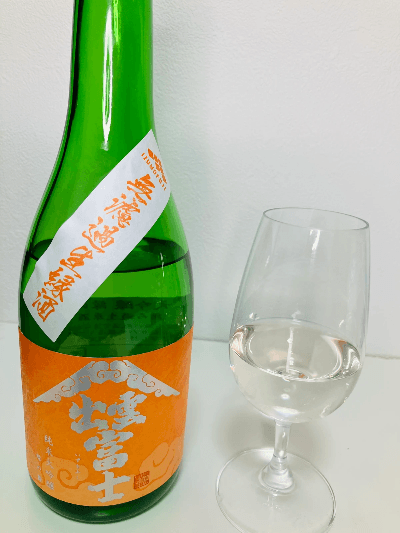
Enishi-no-Mai” Junmai Daiginjo, Muroka Nama Genshu
Ingredients: Rice (domestic), Rice Koji (made from domestic rice)
Rice Variety: Enishi no Mai (100% Shimane-grown)
Polishing Ratio: 48%
Alcohol Content: 15%
📒Tasting Notes📒
Appearance:
The appearance is almost transparent, with a faint yellow-green nuance.
Despite being unfiltered nama genshu, it feels visually light and offers a refreshing first impression.
Aroma:
The aroma is gentle and clear, opening with a light, soda-like freshness.
This is followed by soft, rice-driven notes reminiscent of shiratama dango, freshly made mochi, and rice flour.
Taste:
The first impression is fresh and vibrant.
A subtle tingly feeling on the tongue expresses youthful energy and liveliness.
Refreshing soda-like nuances and lychee-like fruit flavors overlap seamlessly, while a mild rice sweetness rounds out the mid-palate. The finish is crisp, with an clean aftertaste.
It is a sake that feels auspicious and alive—perfectly suited as a New Year’s celebratory drink.Choosing this bottle on a quiet New Year’s night was undoubtedly the right decision.
With each cup, the joy of the New Year gently deepened.
